Operational efficiency metrics for treatment facilities

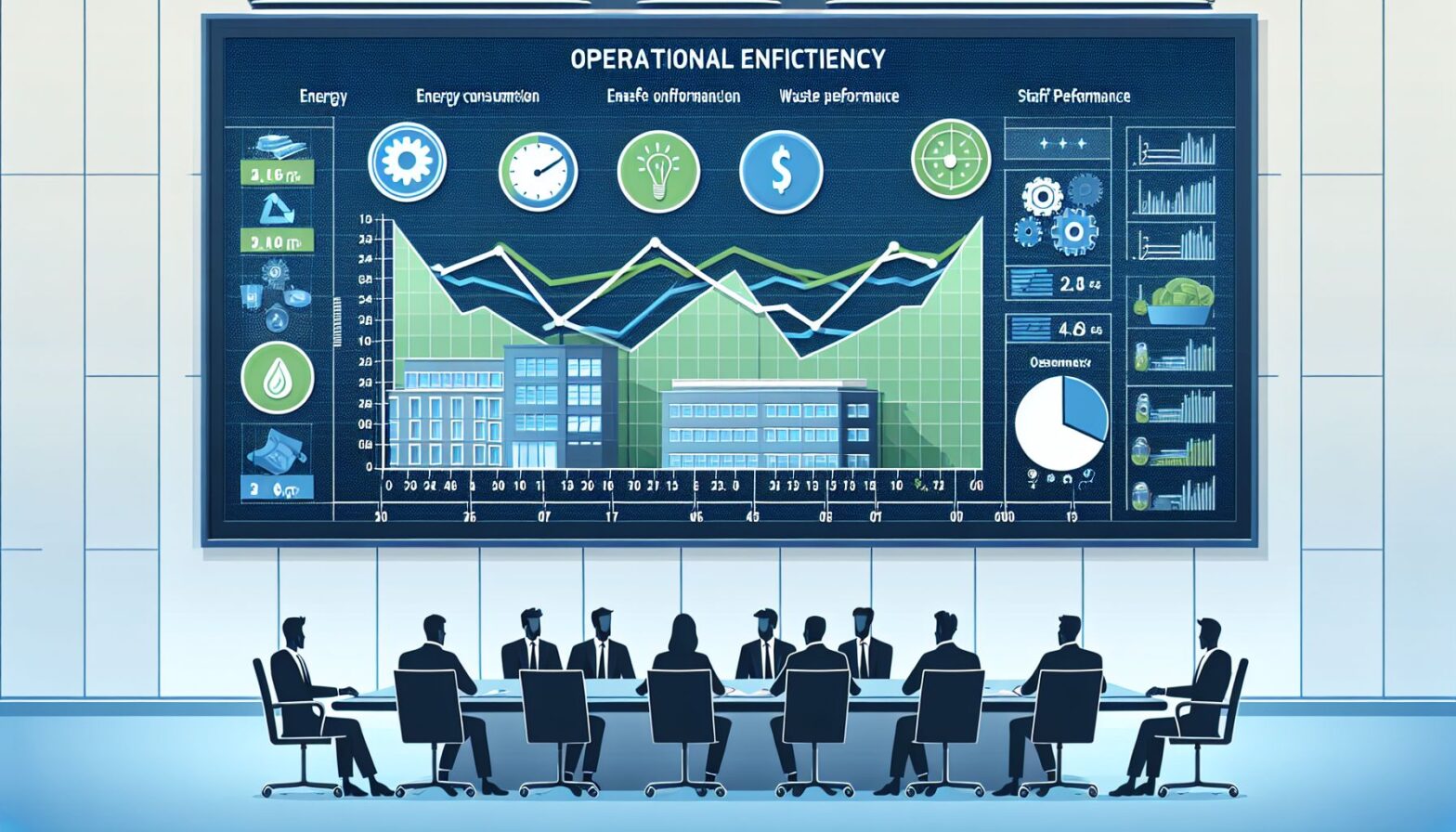
Understanding performance in treatment facilities requires a firm grip on particular metrics that highlight their operational efficiency. These metrics serve as the measure of a facility’s ability to produce quality output in the most cost-effective and resource-efficient manner.

What are Operational Efficiency Metrics?

Before delving into the specifics, it’s good to have a clear understanding of what operational efficiency metrics are. Operational efficiency metrics are quantifiable measures that provide insights into a facility’s performance. Simply put, they help ascertain how well a facility is capitalizing on its resources to deliver output.

Operational efficiency metrics can be divided into two broad categories. Firstly, there are process-based metrics, and secondly, financial efficiency metrics.

Process-Based Efficiency Metrics

Process-based efficiency metrics gauge the effectiveness of a treatment facility’s operations. They primarily examine the process operations, treatment methods, and the consumption of resources. Key process-based metrics include:

Treatment Effectiveness

Treatment effectiveness is a fundamental measure of a facility’s competency. It assesses the proportion of contaminants removed from the treatment process. A high percentage of elimination indicates a successful treatment process.

Resource Consumption

Another pivotal measure is the amount of energy, water, and other resources consumed during treatment processes. By keeping this at a minimal level, treatment facilities demonstrate efficiency and sustainability.

Equipment Efficiency

Equipment efficiency is also a noteworthy consideration. Machines and equipment need to perform at optimal levels and with minimal downtimes to ensure continuous treatment processes.

Financial Efficiency Metrics

While process-based metrics are essential, they need to be supplemented by financial efficiency metrics to present a holistic picture of operational efficiency. Key financial efficiency metrics include:

Cost Per Unit

Cost Per Unit (CPU), as the name suggests, measures how much it takes to produce each unit of output. A lower CPU could be an indicator of efficient resource allocation.

Operating Margin

Operating Margin considers the entirety of a facility’s operations and inquires, “What percentage of revenue remains after removing all operating expenses?” A higher margin often suggests superior efficiency.

Improving Operational Efficiency: Steps and Suggestions

Given the importance of these metrics, facilities must put in place mechanisms to improve their efficiency. This can be through mechanical tweaks, methodological changes, or a complete operational overhaul. A good place to start is the analysis of both process and financial metrics to identify potential bottlenecks and areas for improvement. Once these areas are identified, action plans can be crafted and implemented.

It’s crucial to keep in mind, improvements are not always about reducing costs. Instead, efficiency is about optimizing resources to achieve the highest level of output. For instance, a facility might have to invest in expensive equipment upgrades, but the long-term benefits of reduced downtime and increased output could far outweigh the initial investment.

A useful resource for further study is the research undertaken by the Kentucky water resources center—a leading institution in water research. The center’s findings on the role of efficient practices in water treatment facilities can provide further insights into this topic.

Real-World Example

One exemplary real-world case is a wastewater treatment facility that reduced its energy consumption by 20% after introducing energy-efficient equipment. The initial investment was substantial; however, the long-term savings thanks to reduced energy costs was more than worth the initial cost.

Measurement and Management: Key to Efficiency

Regular measurement and analysis of metrics are key in maintaining and improving efficiency levels. Using advanced analytics, facilities can track these metrics in real-time, providing actionable insights. Furthermore, facilities can utilize predictive analytics to foresee potential machinery failures and take mitigation measures before they escalate into costly repairs or shutdowns.

Concluding Insights

Understanding and improving operational efficiency in treatment facilities is not a step—it’s a journey. As the facilities keep evolving with advancing technologies, the metrics and practices to measure and improve efficiency also need to be updated. Continued focus on enhancement of processes, efficient resource utilization, and monitoring of key performance metrics can lead to significant improvement in operational efficiency, leading to better environmental outcomes and lower costs over the longer term.

Remember, the efficient operation of treatment facilities is not just about the bottom line—it also plays a significant role in environmental sustainability and stewardship. After all, isn’t that the ultimate metric of performance?
Wastewater infrastructure mapping and facility planning

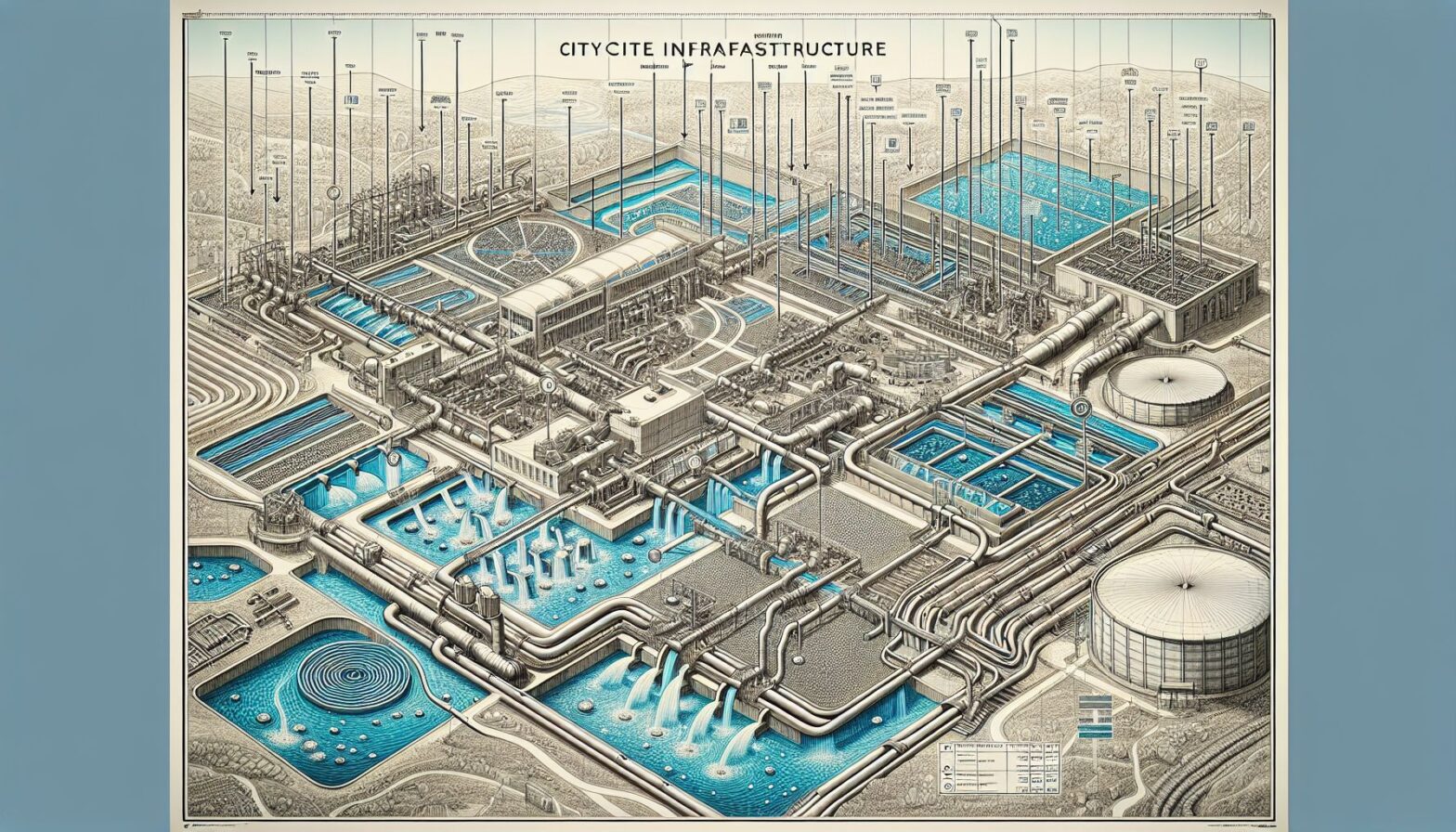
In today’s increasingly urbanized world, effective management of wastewater has emerged as a key sustainability challenge. Central to tackling this issue is the strategic planning and mapping of wastewater infrastructure. This approach enables the efficient use of resources, reduces environmental impact, and offers effective solutions to handle ever-growing wastewater volumes. Interested in learning about it in detail? Let’s dive in!

Wastewater Infrastructure Mapping: The Foundation for Efficient Management

Wastewater infrastructure mapping is a critical component of any well-functioning wastewater management system. Using Geographic Information System (GIS) technology, it involves reconnaissance, data collection, and positioning of existing wastewater infrastructure such as sewer lines, manholes, and pumping stations on a digital map. The information becomes the backbone for improved operations and planning, including the optimal placement of new infrastructure.

According to a study published in the Research Journal of Applied Sciences, Engineering, and Technology, GIS-based management increased the efficiency of sewerage administration by 32%. This shows the potential of wastewater infrastructure mapping in ensuring an efficient and reliable service, leading to sustainable urban environments.

Bringing Efficiency with Wastewater Facility Planning

Wastewater facility planning is the next logical step after mapping. It looks at the current state of wastewater treatment facilities and lays out a strategy for the infrastructure’s future development and capacity expansion. This involves comprehensive data collection and analysis, covering aspects like population growth forecasts, weather patterns, and even topography.

Such careful foresight can mean the difference between a fully functional, effective wastewater treatment system and one that fails under the strain of unexpected demands. For instance, during Hurricane Sandy in 2012, wastewater treatment facilities that had factored in severe weather patterns in their planning were better able to handle the influx and maintain their services.

Next, let’s look at how the US is faring in terms of wastewater infrastructure.

Spotlight on US Wastewater Infrastructure and Facility Planning

The United States presents an interesting case when considering wastewater infrastructure and planning. Historic cities, rapidly expanding urban regions, and stringent environmental regulations have led to unique challenges and solutions within the country’s wastewater sector.

A snapshot of the US wastewater treatment plant locations gives an insight into the extent and distribution of wastewater facilities across the country. The sprawling network of facilities visible on the map reflects the extensive reach of America’s wastewater management infrastructure.

However, this does not mean the country is without its challenges. A report by the American Society of Civil Engineers rates the country’s overall wastewater infrastructure a D+, signifying a critical need for material upgrades and widespread repair. This highlights the ongoing work required to meet demands, manage resources efficiently, and adhere to regulations.

The Strategic Process of Wastewater Infrastructure Planning and Mapping

As discussed, wastewater infrastructure planning and mapping is crucial for sustainable urban development. So what does the process look like?

  1. Recognizing the need: This involves recognizing the challenge at hand, whether it is retrofitting old infrastructure, planning for urban expansion, or addressing a specific environmental target.

  2. Data Gathering: After defining the need, the next step involves amassing data on the current infrastructure, potential growth factors, local regulations, available resources, and funding options.

  3. Analyzing the collected data: The gathered information is then analyzed to enable informed decision-making. This may involve feasibility studies, predicting future scenarios, or using analytical tools to model outcomes.

  4. Strategic Planning: Drawing on the analysis, strategies can then be laid out in detail. This could involve preventive maintenance schedules, proposals for new infrastructure, or the redesign of existing systems.

Remember, the goal is not just to maintain or build infrastructure for today’s needs, but also to ensure that the system will continue to meet requirements well into the future.

Future Focus: Embracing Digital Advancements

The future of wastewater infrastructure planning and mapping undoubtedly lies in embracing digital advancements. Technologies such as IoT, remote sensing, and cloud-based GIS offer transformative potential to enhance efficiencies and decision-making capabilities.

For instance, IoT-enabled sensors can provide real-time data about wastewater levels, the condition of infrastructure, or leaks. When fed into cloud-based GIS systems, this data can help generate predictive models or initiate immediate responsive actions, resulting in substantial cost and resource savings.

It’s clear that while the challenges of wastewater infrastructure and facility planning are complex, there are equally sophisticated solutions available. By proactively adopting advanced technologies and best practices, it’s possible to create resilient, sustainable, and efficient wastewater systems for the future.

So, are we on the brink of wastewater management systems that are more accurate, dynamic, and smarter than ever before? It would be an optimistic yes! Exploring the possibilities and pushing the boundaries would certainly redefine our approach to a sustainable wastewater management system. Such a vibrant prospect, indeed!

Renewable energy applications in water treatment operations

As we navigate the intersections of two primary global challenges – energy sustainability and water security– we are pushed to explore more efficient and sustainable solutions. One such solution is leveraging renewable energy in water treatment operations. This intersection lies the robust potential for curbing the adverse climate impacts, ensuring water security, and promoting a sustainable shift in energy use.

The Intersection of Renewables and Water Treatment

Increase in human population and industrial expansion inevitably intensify the pressure on our captured water reserves, subsequently leading to the prioritization of efficient water treatment systems. Water treatment operations, however, are energy-intensive and contribute significantly to global greenhouse gas emissions. Therefore, connecting water treatment to renewable energy sources becomes an essential step in mitigating environmental damages.

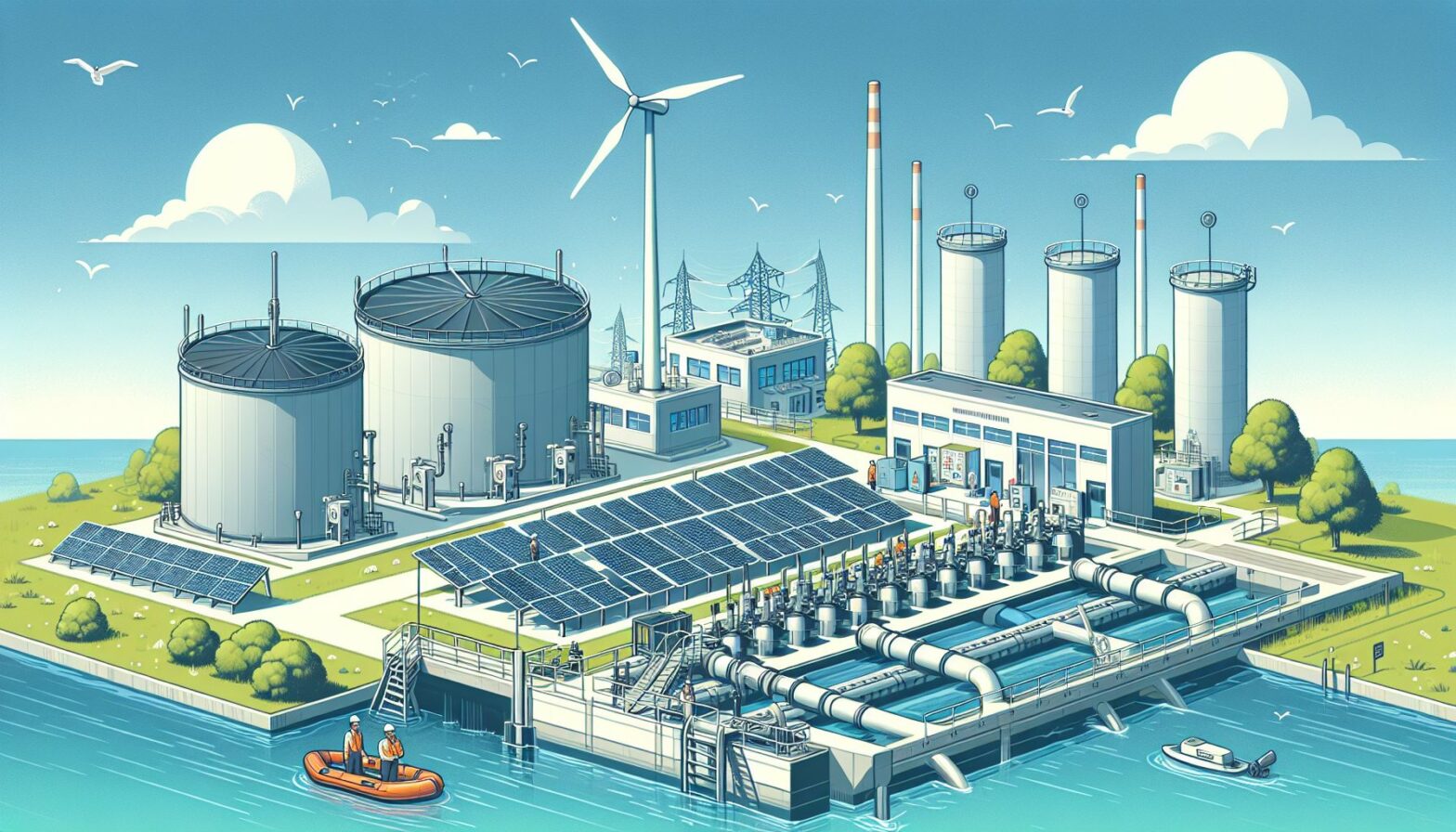
Harnessing the power of renewables, such as solar, wind, hydropower, geothermal and bioenergy, provides an opportunity to offset the carbon emissions associated with conventional energy used in water treatment processes. The application of renewable energy sources in water treatment has the potential to drive down the cost of operation while increasing energy efficiency.

Renewable Energy Applications in Water Treatment Operations

Many water facilities around the world are already shifting towards renewable energy to drive their water treatment processes. According to the International Renewable Energy Agency (IRENA), integrating renewable energy in water services could save up to 8% of total global energy consumption by 2040.

Solar Power Integration

Solar power integration in water treatment has witnessed rapid growth over the years, more so in arid regions with abundant sunlight. Solar-driven desalination, for instance, combines the principles of solar thermal energy and desalination, thus providing an innovative solution to water scarcity problems.

In the same vein, solar photovoltaic (PV) technology is increasingly being implemented to power water treatment facilities. The high initial investment can be offset with zero fuel costs and reduced maintenance expenditures over the system’s lifecycle.

Examples abound of successful solar-powered water treatment facilities. Morocco, for instance, has launched the world’s largest seawater solar desalination plant. Even in many rural communities across Africa, solar PV-powered boreholes and water purification systems have brought about a positive change.

Hydropower and Wind Energy Utilization

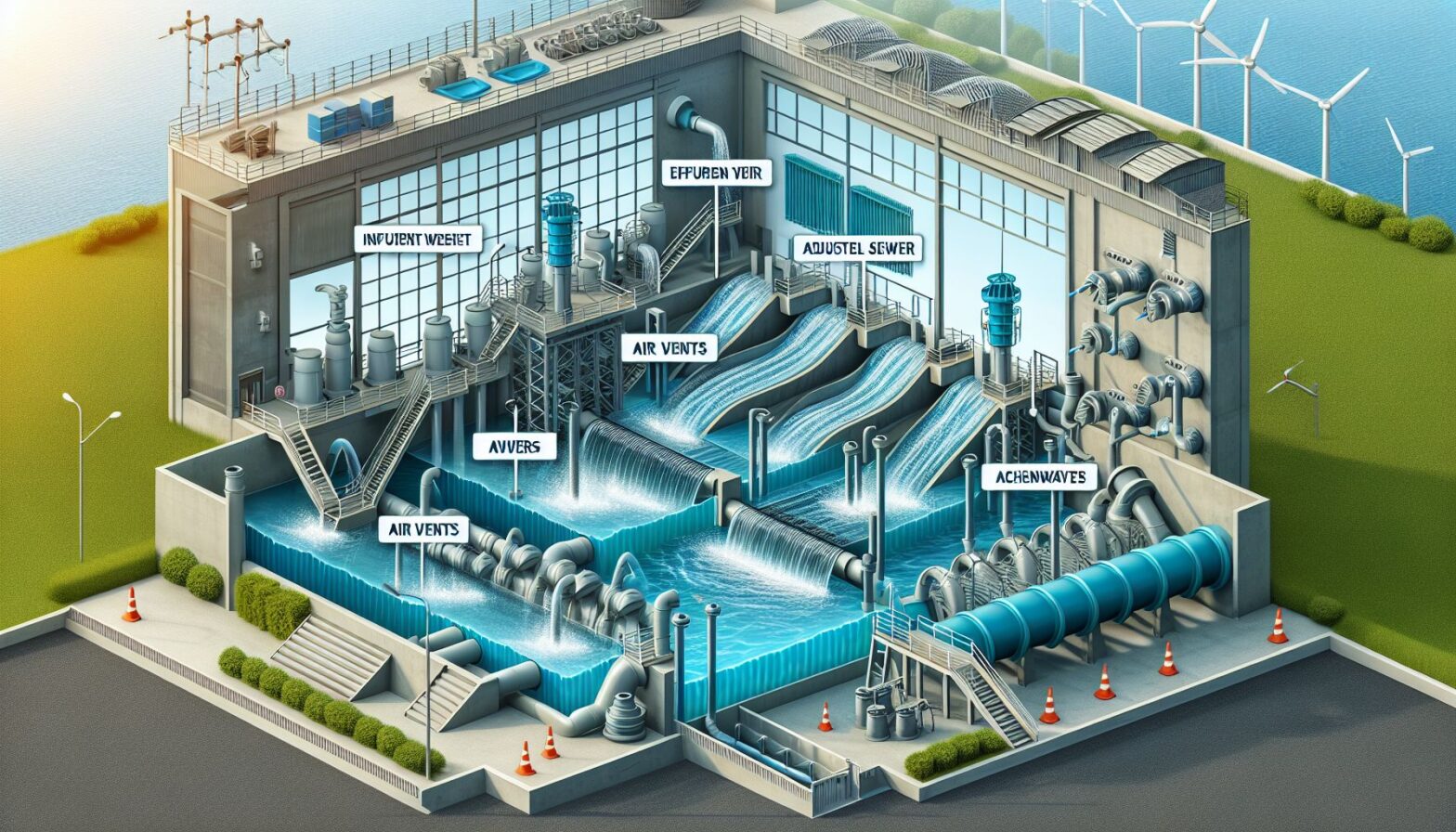
In regions with reliable wind patterns or significant topographical or flow variations, wind and hydropower are viable options. Micro and pico-hydro power systems have demonstrated efficiency in pumping and purifying water to cater to the needs of small communities. When installed in existing water infrastructure, these systems have the potential to generate surplus energy that can further be interconnected to the local grid.

Wind turbines, on the other hand, can directly power water pumping systems, often with battery storage for a continuous water supply. According to a case study conducted by the Mississippi State water engineering department, a water supply company in South Africa uses wind power and energy-efficient pumping systems to desalinate groundwater, providing a stable water supply to over 200,000 locals.

Harnessing Bioenergy

Another interesting pathway to explore is the utilization of bioenergy in wastewater treatment plants. Anaerobic digestion is a commonly used bioenergy technology where biogas (a mixture of methane and carbon dioxide) is produced from the organic content of the wastewater. This biogas can be harnessed to produce heat and electricity, thereby offsetting the energy needs of the treatment plant. In the forward-thinking city of Copenhagen, Denmark, for example, wastewater treatment facilities produce 50% more energy than they consume, thanks to the use of bioenergy.

While the benefits of renewable energy integration in water treatment are unmistakable, it’s not without challenges. High initial investment costs, technological complexities, sustainability of energy source based on regional geography and weather patterns, and lack of trained personnel are barriers to a wider and swifter adoption. Therefore, capacity building, technological advancements, favorable policy frameworks, and public-private partnerships are vital.

Water treatment and renewable energy are two areas that are going to play a pivotal role in the future. As these two dimensions of sustainable development converge, we, as a society, need to make optimal use of this evolution. It paves the way for a more sustainable future – a future where clean water is democratized, and renewable energy sources are the norm, not the exception.

Advancing Technology and Policy Support: The Way Forward

Emerging technologies such as artificial intelligence (AI) and machine learning bring exciting possibilities for optimizing renewable energy management in water treatment. These technologies can help predict energy generation based on weather patterns, automate system controls for efficiency, and provide real-time performance data to help preemptively address system issues.

Drawing up supportive policies and incentives for the adoption of renewable energy technologies in water treatment will also be critical. Policymakers need to create an enabling environment that encourages innovation and investment in this field. Strategic partnerships between government agencies, academic institutions, technology developers, and utility providers are crucial.

In conclusion, the integration of renewable energy into water treatment is more than just a prospective solution to global challenges. It’s a step towards a sustainable future. It’s a pursuit that possesses great potential for innovation and transformative change, and one that should indeed be embraced with both hands. The world in which we navigate is changing, and it is in our collective interests to ensure that we not only keep up but lead the way.

What is equalization tank in wastewater treatment

Wastewater treatment is among the most important public health advancements of our time, contributing significantly to the maintenance of clean, safe water supplies. Central to this process is the use of equalization tanks, a critical component that helps manage the flow and load variations of wastewater coming into a treatment plant. But what exactly is an equalization tank, and why is it so crucial in wastewater treatment? In this article, we’ll unravel the workings of equalization tanks and explore their importance for this fundamental process.

The Concept of Equalization Tanks

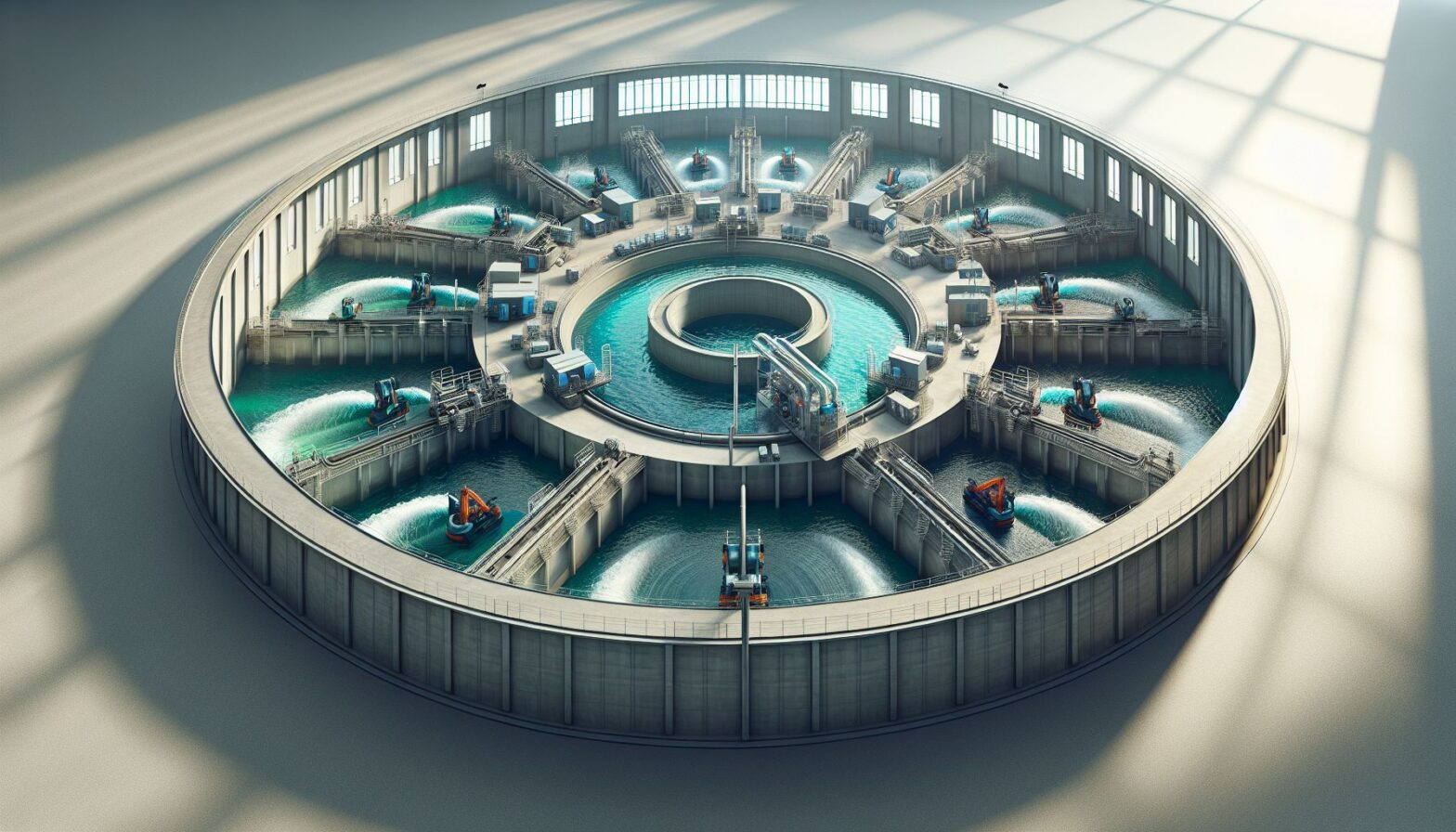
The primary function of an equalization tank in a wastewater treatment plant is to act as a buffer, managing the variations in wastewater inflows before the wastewater undergoes treatment. Due to the diverse sources of wastewater, such as residential, commercial, and industrial establishments, the flow and load variations can greatly differ.

Imagine a concert band preparing for a performance. If the musicians begin playing as soon as they arrive, the music will be disorganized and chaotic. However, if they gather together in a single place and start the performance together, the music becomes harmonious. This is similar to the role of an equalization tank, where wastewater from various sources is collected and equilibrated before treatment. This pre-process ‘harmonizing’ helps in enhancing the overall efficiency of the subsequent wastewater treatment processes.

Why are Equalization Tanks Important?

Equalization tanks aid in numerous ways to optimize the wastewater treatment process. One critical role they play is in diluting the strength of the inflow by evening out any sharp deviations in temperature, pH, or concentration of contaminants. This dilution factor is critical to prevent potential shocks to the biological organisms in the treatment process, which are often sensitive to sudden changes.

Take for instance, manufacturing industries that dispose wastewater laden with toxic substances or heavy metals. These contaminants, if introduced suddenly into the treatment process, could greatly hamper the effectiveness of the biological treatment stage. An equalization tank is thus used to gradually introduce these contaminants, avoiding a sudden detrimental impact and ensuring the effluent quality is kept consistent.

Furthermore, given the chance to slow down in the tank, some solids in the wastewater may even settle down at the bottom. This phenomenon helps in decreasing the solid load on the subsequent treatment steps.

Equalization Tank Design

The operational efficiency of a wastewater treatment plant depends largely on the equalization tank design. Based on the capacity of the treatment plant, the number of wastewater sources, and their variations, the design of the equalization tank changes. Generally speaking, the tank needs to be designed to provide appropriate retention time, which is essentially the length of time the wastewater spends in the tank, to account for variable inflow and foul loads.

The design also involves the balance between static and dynamic conditions. Too static, and the tank will fail to mix the wastewater properly, leading to a lack of homogeneity. Too dynamic, and there could be issues with turbulence leading to resistance to flow. Hence, most design strategies aim for a balance of these two conditions by incorporating mixers and aerators.

It’s not rare for equalization tanks to have monitoring systems installed, with instruments analyzing parameters like pH, temperature, and conductivity, among others. These real-time data assist operators in adjusting the treatment process as needed.

From Sizing To Operation: The Case of Equalization Tanks

Let’s take an example. A large industrial plant that manufactures certain types of paints discharges wastewater containing high concentrations of organic pollutants. By installing an equalization tank, the plant manages to protect the downstream treatment facilities from getting overwhelmed during peak discharge periods. The tank size is determined based on the maximum incoming flow rate, hourly variation, and retention time required for proper mixing and equalization. It is also designed with systems that constantly monitor the influent quality and regulate the discharge rate into the next processing units.

Over time, the equalization tank proves its worth by enabling a steadier, more efficient operation of the overall wastewater treatment system. It protects the sensitive microbial populations used in the biological treatment stage from toxic shocks, allows for better adjustment of chemical dosages in the chemical treatment stage, and improves the performance of mechanical systems such as pumps and motors.

Moving Forward: Innovations in Equalization Tanks

Like any other sector, wastewater treatment is evolving with advancements in technology and innovations are in the offing for equalization tanks as well. The future of equalization tanks lies in smart controls and automation, leveraging artificial intelligence and digital analytics for real-time control and optimization. Such a system would be able to respond to variations in wastewater quality and quantity even more efficiently, minimizing the need for manual intervention and reducing energy consumption.

Conclusion

In conclusion, equalization tanks form an indispensable part of the treatment of wastewater. With their diligent function in managing inflow variations, these tanks not only ensure the effluent quality but also significantly enhance the overall operational efficiency of the treatment processes. The steady evolution of these tanks, adapting to the changing demands of the industry, is sure to bring exciting changes as we look to the future of wastewater treatment.

Flow equalization and storage tank design principles

In wastewater treatment processes, consistency is key. Fluctuations in flow rates and pollutant concentration can significantly affect efficiency, leading to subpar treatment results. This is where flow equalization steps into the picture. It’s an innovative technique designed to rectify this inconsistency by balancing wastewater flow and pollutant levels. Does that paint a clear picture for you? Let’s venture further into the design principles involved, particularly focusing on storage tanks, a key component.

Understanding Flow Equalization

Flow equalization is a process used extensively in wastewater treatment plants to regulate the flow and concentration of inlet wastewater. By buffering this incoming wastewater, the process ensures smoother operations downstream, minimizes hydraulic overloads, and enhances plant performance.

Remember swimming in a pool with a wave machine? It churned out waves at regular intervals, right? Now, think of a flow equalizer as a buffer zone that tends to quell those waves, presenting a calm, steady flow.

Storage tanks are an integral element in flow equalization providing the necessary ‘holding space’ for the wastewater. This storage capacity enables the tank to absorb peak flows, release them during off-peak periods, and ensure constant flow for treatment.

The Louisiana water quality department, for example, stipulates very specific regulations on flow equalization and storage tank design. These guidelines intend to ensure that all wastewater treatment facilities maintain optimal efficiency and protect the state’s water resources from pollution.

The nuts and bolts of tank design are dictated by factors like target flow rates, projected lifespan, local environmental conditions, and even available land. Wondering how storage tank design is executed to ensure efficient flow equalization? Hold on, we’re getting there!

Principles of Storage Tank Design

Designing a storage tank for flow equalization is a critical process involving multiple parameters. Let’s explore the main ones.

Tank Volume

The primary criterion is to determine the volume of the tank. This depends largely on the inflow rate, the variance in flow rates, and the desired outflow rate. Simply put, it’s about having enough ‘storage’ to handle the incoming flow during peak periods.

Basin Configuration

Next comes the basin configuration. This includes the shape (rectangular, circular, etc.), depth, and orientation of the tank. Each design brings its own pros and cons like ease of construction, floor space, and maintenance requirements.

Inlet and Outlet Design

The design of inlet and outlet structures has a direct impact on flow characteristics. These must be engineered to facilitate smooth, even flow distribution and minimize short-circuiting.

Materials and Construction Methods

Finally, the selection of suitable materials and construction methods based on durability, cost, local regulations, and other factors is another crucial consideration.

Each of these principles interacts and impacts one another. A small misstep in one could lead to significant operational challenges down the line.

Real-World Examples of Storage Tank Design

Let’s look at a real-life scenario. The City of Portland, Oregon, constructed two 25-million-gallon underground storage tanks to manage combined sewer overflows. The tanks’ design incorporated precast concrete segments, considering their longer lifespan and cost-effectiveness. But that’s not all. Their inlets and outlets were tactically designed to minimize overflow, ensuring seamless execution of flow equalization.

Another case is the Seine-Normandy, Europe’s largest wastewater treatment plant, which uses a multichamber flow equalization basin with a total working volume of 240,000 cubic meters. The design facilitates distributed inflow and enables precise flow control, underlining the complex but vital interaction of design principles.

Flow equalization and storage tank design is an evolving science. The industry is gradually moving towards intelligent systems that utilize real-time data, automation, and predictive analytics.

For instance, there is growing interest in adaptive storage tank designs that can dynamically adjust volumes based on incoming flow rates. So, could ‘smart tanks’ be the future of flow equalization? Only time will tell.

Concluding Thoughts

In the end, wastewater treatment is about more than just removing pollutants. It’s about designing and engineering a system that can continuously deliver optimal results, rain or shine. The process of flow equalization and storage tank design embodies that mentality, combining scientific knowledge, engineering prowess, and practical wisdom. As with any engineering challenge, the aim is always to make the complex simple, the erratic steady, and the unpredictable reliable. And that’s what we aim for, one tank at a time.

How much electricity does a wastewater treatment plant use

Wastewater treatment plants (WWTPs) are a crucial piece in the complex puzzle that is urban infrastructure. Like any other such undertaking, they also consume electricity as part of their operation. But how much electricity does a wastewater treatment plant use? Is it a significant amount, one worth considering, or is it a drop in the ocean? In this article, we’ll delve into the nitty-gritty of wastewater plant energy consumption to understand this better.

Energy Use Overview

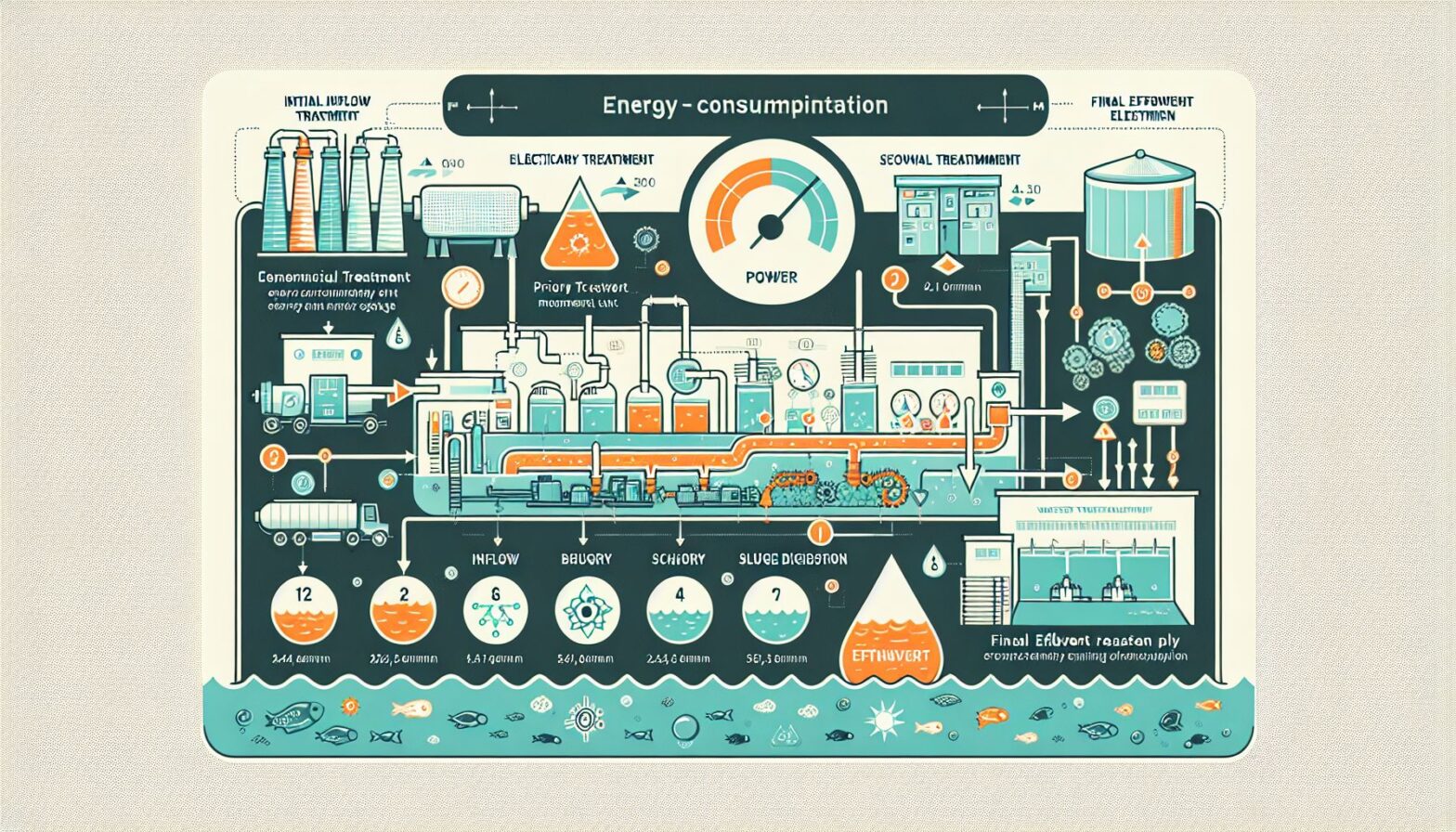
Although it might seem insignificant at first, the energy usage of wastewater treatment plants is far from trivial. According to a report from the United States Environmental Protection Agency (EPA), these institutions consume about 3% of the total electricity in the US, equivalent to 21 billion kWh annually. That’s no small number, is it? Now, this might lead you to ask, what exactly inside a WWTP uses all this electricity?

Breaking Down Power Consumption

There are several key processes involved in the treatment of wastewater, each with its energy demands. Generally, three main processes account for approximately 60% of the entire electricity consumption of a typical wastewater treatment plant:

  1. Aeration: This process of pumping oxygen into wastewater to foster the growth of beneficial microorganisms consumes about half of the entire energy used in the plant.
  2. Pumping: Moving wastewater through the plant requires force, which consumes electricity. Pumping accounts for about 10% of the plant’s total energy usage.
  3. Ultraviolet (UV) disinfection: UV light destroys harmful bacteria and viruses, ensuring the treated water is safe to discharge or reuse. This accounts for around 35% of the plant’s electricity consumption.

So, how much does this translate to in tangible numbers? For an average size plant treating around 10 million gallons per day (MGD), the treatment costs would amount to roughly 4,800 kWh per day or 1.75 million kWh annually. Staggering, wouldn’t you say?

It’s About Efficiency, Not Just Consumption

Yet, the focus is not just on how much electricity a WWTP uses, but also how efficiently it uses it. For example, recent advancements in energy-efficient technologies have reduced the energy footprint of aeration processes by up to 50%.

Moreover, some WWTPs have even turned into net energy producers by harnessing biogas – a by-product of the treatment process. Anaerobic digestion processes produce this gas, which, when burned, is a potent source of energy. With the right infrastructure, it can be used to generate heat and electric power, reducing a plant’s reliance on the grid.

Given the climate realities we face today, improving the energy efficiency of WWTPs has never been more critical. Looking forward, there are several emerging trends in this arena.

One example is the implementation of smart grids. These systems can monitor and adjust electricity consumption in real-time, creating efficiencies and reducing waste. Upgrading existing infrastructures with variable frequency drives (VFDs) for pumps and fans can also result in significant energy savings.

Innovations in biological nutrient removal (BNR) processes are also exciting developments. Some BNR technologies, such as the anaerobic ammonium oxidation (Anammox) process, can reduce the energy usage of nutrient removal by up to 60%.

It’s exciting to see where these developments are heading, isn’t it?

Wrapping Up

From the aeration tanks to the UV disinfection chambers, energy use in wastewater treatment plants is a significant factor. It’s not just about the sheer quantity of electricity consumed, but also about how efficiently the plants use that electricity. With advancements in technology and a pressing need for climate-friendly solutions, the future of wastewater plant energy consumption is surely bound to evolve in a sustainable manner.

So, the next time you hear the distant hum of a wastewater treatment plant during a late-night stroll, you’ll have a better grasp on the profound relationship between water treatment and energy consumption. After all, appreciation of such complexities is the first step towards a more sustainable future, wouldn’t you agree?